 FDIC-Insured - Backed by the full faith and credit of the U.S. Government

News & Stories
Let’s Stay Connected
Get the latest on Hanmi news and stories.
May 2026
Protect Your Email. Protect Your Money.
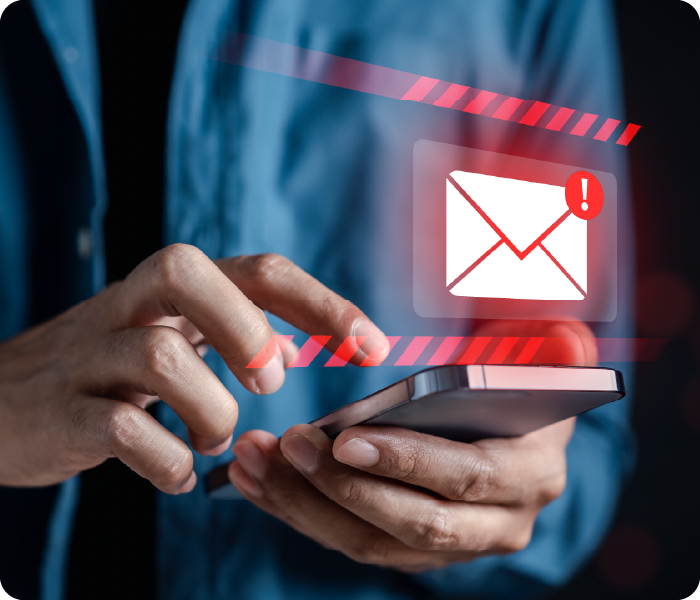
A customer receives an email that appears to be from the bank. The message says there’s a “security issue” and asks them to log in. The link leads to a fake website that looks real. The customer enters their credentials. Fraudsters use the information to access the email and bank account. Funds are transferred or withdrawn before the customer realizes.
This is a textbook scenario of Email Account Takeover, and it is happening significantly more often now fueled by automation, artificial intelligence, and a massive rise in data breaches. Email Account Takeover is a form of identity theft where a cybercriminal gains unauthorized access to your personal or work email account. Instead of just stealing your data, the attacker takes full control of the account. They often change your password to lock you out, monitor your conversations, and use your identity to commit further fraud.
How This Scam Works
Fraudsters try to gain access to your email account — once they’re in, they may also access your bank and financial accounts. In many cases, customers unknowingly provide their login information on fraudulent sites or to impersonators
Common methods include:
- Fake emails asking you to “verify” your account
- Look‑alike websites that capture your login credentials
- Messages or calls pretending to be your bank or a trusted vendor
- Malware or suspicious links that capture your password
Red Flags to Watch For
Stay alert to these warning signs that your email may have been compromised:
- Missing Mail: You notice a sudden drop in your usual daily emails or bills.
- Unfamiliar Notifications: You receive password reset emails you did not request.
- Sent Folder Surprises: Your sent folder contains messages you never wrote.
- Login Alerts: Your email provider alerts you to a login from an unknown device or location.
What Happens After Your Email Is Compromised
Email access can lead to full account takeover fraud and unauthorized transactions. Once fraudsters access your email, they can:
- Reset passwords to your financial accounts
- View transaction history and personal information
- Send emails pretending to be you
- Request payments or wires using trusted relationships
How to Protect Yourself
- Protect Your Login Information
- Never click login links from unsolicited emails or texts
- Always type your bank’s website directly into your browser
- Use strong, unique passwords for each account
- Be Alert to Red Flags
- Urgent messages asking for immediate action
- Requests for passwords or verification codes
- Emails with slight misspellings in the sender address
3. Use Security Tools
- Enable multi-factor authentication (MFA)
- Set up account alerts for unusual activity
Remember: Your Bank Will NEVER
Ask for your password by email, text, or phone
Request your verification code
Pressure you to act immediately or threaten account closure
Stay Cautious. Stay Protected. Fraudsters rely on urgency and trust — taking a moment to verify can prevent loss.
If you notice anything suspicious:
Stop immediately — do not click links or respond
Contact your bank directly using the official number
Change your email and banking passwords right away
Report unauthorized activity immediately
We’re Here to Help
You’ve got a team of experts on your side. Whether you have a simple question or need a comprehensive banking solution, we’re here for you.

Visit a local Hanmi Bank branch near you
Find addresses, phone numbers, and business hours for your Hanmi Bank branches and ATMs. We’re here for face-to-face support in person.

Call us at
855-773-8778
Help is just a phone call away. Our Customer Call Center is open Monday-Friday, 7:00 AM to 6:00 PM PT for your personal and business banking needs.